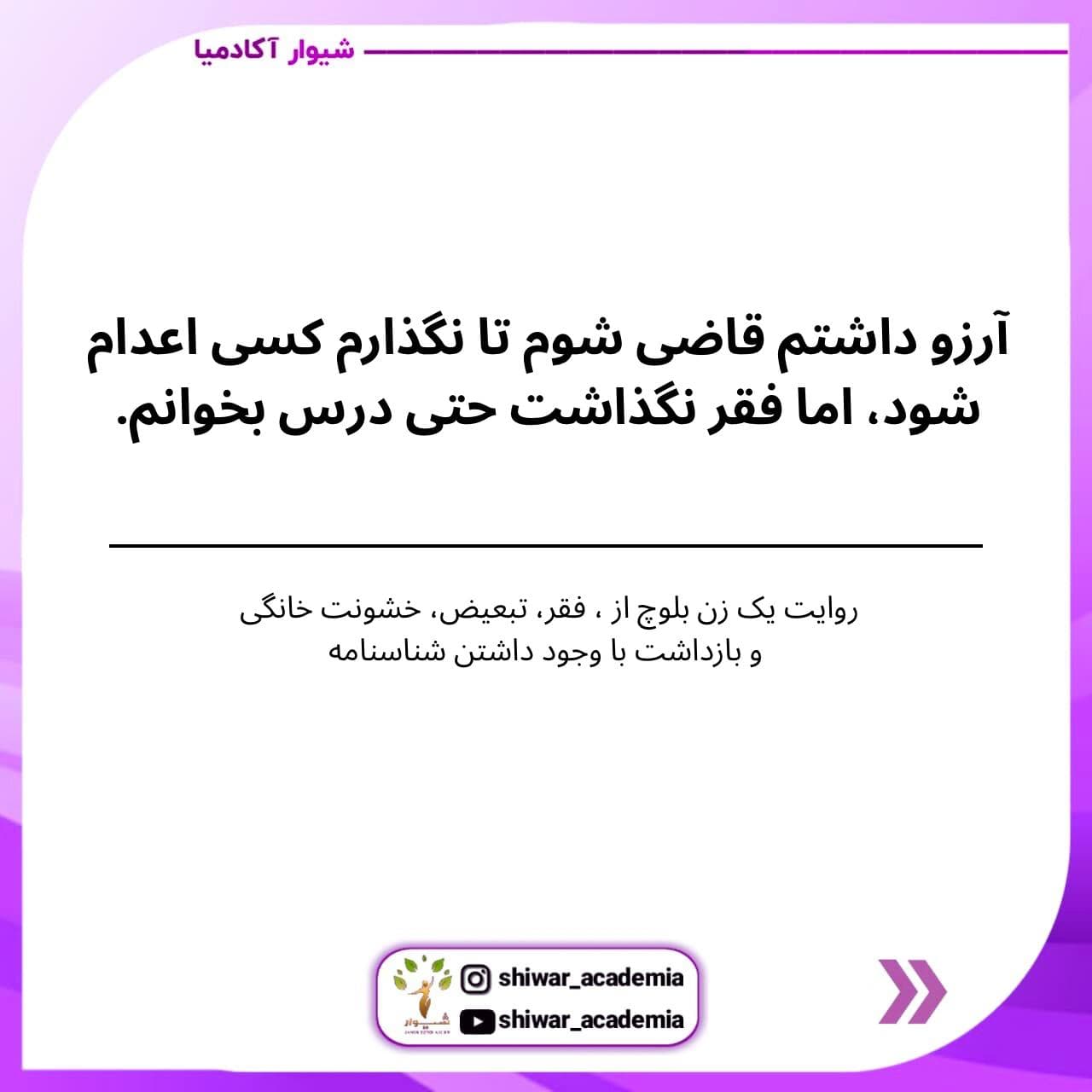
When I was five years old, my mother passed away. My father remarried, but my stepmother treated us very badly. I had a brother who was much younger than me and was too young to work. Life was difficult from early childhood, and there was no one to support us.
One day, when my stepmother was away and I was home alone, her nephew came to our house. He kept getting very close to me and tried to sexually assault me. I started screaming, but he covered my mouth with his hand. There was a jug nearby, and I struck his leg with it so he would let go of me and I could escape. His leg was injured, and I managed to run out of the house.
When I returned home several hours later, my stepmother threatened me. She said, “If you tell your father, I will say you ran away with someone and my nephew caught you.” I was frightened, so I said nothing and remained silent.
I had to work from childhood. When I was eleven, I was not attending school and worked in neighbours’ homes. One neighbour had a large house, and I made bread, samosas and pakoras there. I went to work for wealthier families just to earn enough for a little food. I did not have decent clothes, and my life was extremely difficult.
As a child, I always dreamed of becoming a judge. My maternal uncle had been executed, and from that time I thought that if I became a judge, I would not allow anyone to be executed. I wanted to study, become a judge and have a better life, but none of those dreams came true.
I continued working like this until I was eighteen. When a marriage proposal came, I agreed because I could no longer bear staying in that house and working for them. I thought marriage would improve my life, but when I moved into my husband's home, my hardships became even greater.
From the beginning, our marriage was not a good one. My husband sent me to work in other people's homes, and I still had to work to provide for our living expenses. I felt that because I had no one to protect me, he believed he could treat me however he wanted.
When I turned twenty-seven, I became a mother. My daughter was only one month old when my husband disappeared. I asked people everywhere about him, but they said they did not know where he was.
After some time, I heard that he had married again. At first, I did not believe it, until I saw it with my own eyes. I said nothing because I had nobody to support me.
Since I was twenty-seven, my daughter and I have been alone. To this day, my husband has not come to see his daughter even once. He has never visited her or even come to our door. Perhaps he does not know how we are living, because my daughter and I have never mattered to him.
To raise my daughter, I had to work from morning until night. I left home at eight in the morning and worked in people's houses until evening. Some of the families I worked for looked after my daughter and gave her food. May God bless them. They also gave me some of whatever food they had, such as chicken and rice, and paid me for my work.
When my daughter was seven years old, I went to work at a woman's house on Eid al-Adha. They had bought four sheep, and their children were wearing beautiful new clothes. Everyone was sitting together eating kebabs, while I was busy cleaning the sheep's heads, feet and other parts.
My daughter came over to me and said, “Aren't we God's people too? Or doesn't God love us? Mum, look at them. They're sitting there eating kebabs. Why aren't you eating? Where is my dad? Call him and tell him to come. Today is Eid. Everyone has sheep.”
When I heard these words from my daughter, I could not stop crying for the rest of the day. I felt terrible. I thought to myself that I wished I had been alone, so this child would not have to suffer so much alongside me. My heart broke for her.
That day, they gave me a package of meat. When we returned home that night, I made kebabs for my daughter. She ate and then went to sleep.
Over the years, I have also faced many difficulties trying to enrol my daughter in school. I have an Iranian birth certificate and identity document, but my husband does not. Because of this, whenever I try to deal with my daughter's school paperwork, we are constantly sent from one government office to another.
Once, I went to the Foreign Nationals Affairs Office to obtain a letter for my daughter's school enrolment. When one of the employees found out that my husband did not have an identity document, he insulted me using extremely vulgar and degrading language about my body and the fact that I had given birth. His words were so offensive that even repeating them is difficult for me.
I felt so humiliated and angry by what he said that I could not control myself, and I hit him. Officers arrived and blamed me. I was even detained for one night.
He said to me, “You Baloch people are poor, but you keep having children. I don't know why Baloch people are so ignorant.” He also called me a “villager” because I was wearing traditional Baloch clothing. I was unable to prove what he had said to me.
On another occasion, at around seven in the morning, several buses arrived in our neighbourhood along with officers. The officers had covered their faces and raided people's homes. It made no difference whether someone had an identity document or not; they were taking everyone away.
I did not want to go with them, but they tried to force me. They swore at me and tried to touch me. They did not treat only me this way; they behaved the same way towards others.
I showed them my Iranian birth certificate, but they said, “This document doesn't belong to you.” One officer took my birth certificate and was about to tear it up. Then another officer said they had received reports that many people without identity documents were living in the neighbourhood.
They took my daughter and me away along with the others. We were held in a detention camp for two days. They told us we had to pay five million tomans to be released, but I did not have that kind of money.
Conditions in the camp were terrible. There were no carpets or coverings on the ground, and the ground had become burning hot in the intense heat. All the families were sitting on that scorching ground. During those two days, they gave us food only once. It was boiled potatoes, and even then they made us feel as though they were doing us a great favour.
One woman had brought a mobile phone with her. One of the soldiers insulted her and tried to beat her, but the men in the camp stepped forward and stopped him from humiliating her further.
After two days, they put us on vehicles and took us towards Afghanistan. We went all the way to the border. There, they sent back those who had identity documents, while those without documents were taken across the border.
I had an Iranian birth certificate, but even though I had shown it to them from the very beginning, they kept me in the camp for two days and took me all the way to the border. In the end, they had no choice but to return me and the others who had identity documents.
Even now, I work in people's homes and also do sewing to support myself and my daughter. My biggest problem is paying for our living expenses and my daughter's education.
My daughter attends school, but we are struggling financially. The school year has already started, and I still have not been able to buy her a school uniform. She feels embarrassed to go to school without one.
But I will not let her end up like me. A school uniform can eventually be bought, but a future that has been lost can never be brought back.
My daughter has promised me that she will pursue the dreams I could never achieve. And as long as I am alive, I will not let her leave school. I do not want her life to be like mine. I want her to study, have a good future and never have to live in poverty as I have.
Being a mother is very difficult, especially when you have no one to support you and have to carry every responsibility on your own.
If I could turn back time, I would not get married. When my husband abandoned me, people said many things behind my back. Some even claimed that my daughter was not his child. I heard so many hurtful things, but what matters to me is being pure in the eyes of God, not in the eyes of other people.
I have lived alone since I was twenty-seven, and I have always tried to preserve my dignity. Despite everything people have said and all the hardships I have endured, I am proud to be Baloch.